
The Sacred Feminine and Goddess Worship
The Da Vinci CodeThe novel explores the theme of the sacred feminine, the suppression of goddess worship by the Church, and the quest to restore balance.
increasing Bearing strength in each event
 decreasing
Bearing strength in each eventdecreasingThe Pentacle and Venus
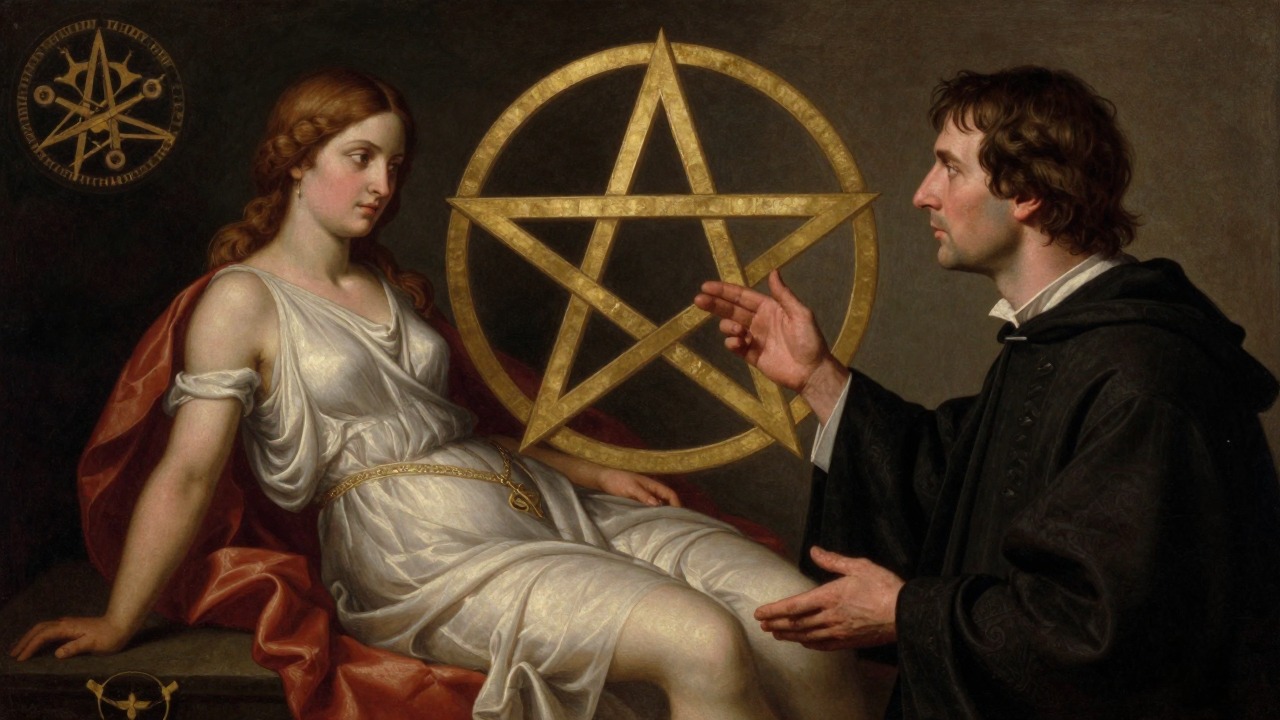
The Symbol of the Goddess
The Pentacle
Langdon explains that the pentacle is a symbol of Venus and the sacred feminine, not devil worship. It represents the harmony of male and female. Saunière's use of the pentacle is a clue to his beliefs.
The Divine Proportion
Langdon teaches about PHI, the divine proportion found in nature and art. The pentacle embodies PHI, linking it to the goddess. This theme is woven throughout the story.
The Suppression of the Goddess
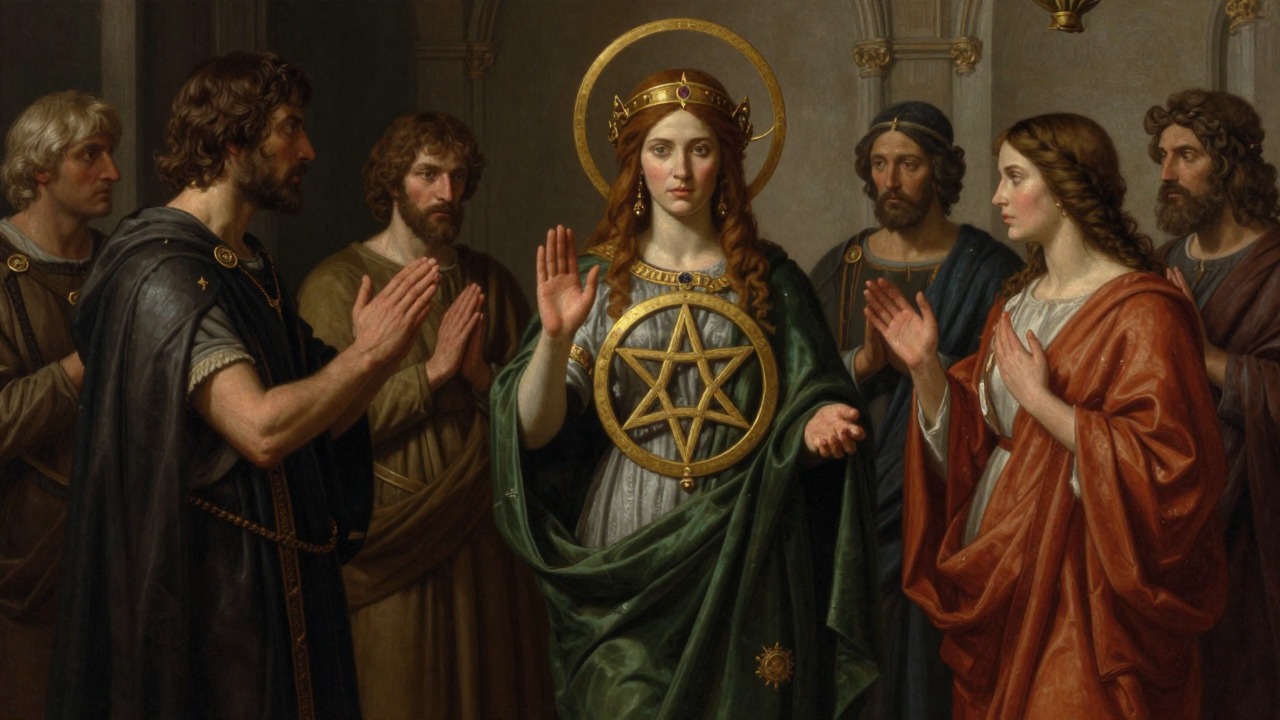
The Church's Campaign
The Historical Context
Teabing explains how the Church demonized pagan symbols and suppressed the sacred feminine. The pentacle became a symbol of evil, and women were blamed for original sin.
The Legacy
This suppression led to a world out of balance, dominated by male power. The Priory of Sion has worked to preserve the knowledge of the goddess. The novel argues for a restoration of the feminine principle.
The Restoration of Balance
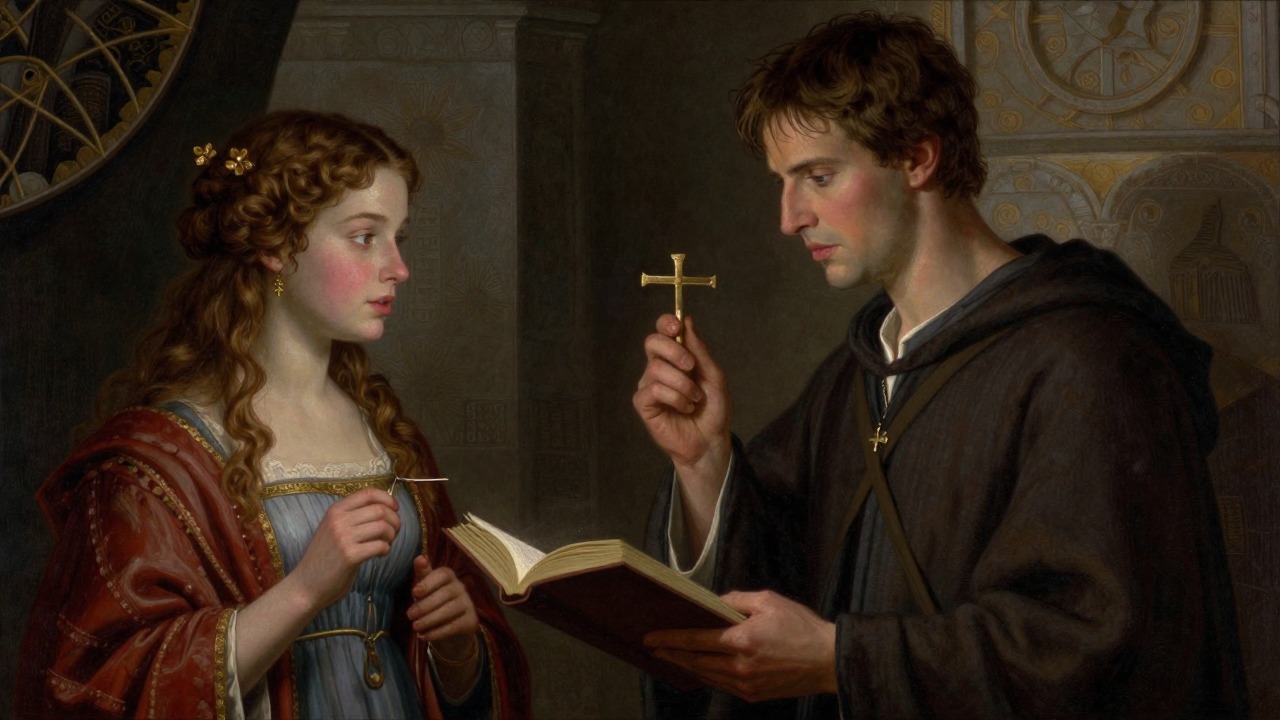
The Hope
The Grail's Message
Langdon realizes that the Holy Grail is a symbol of the sacred feminine. Its true meaning is to inspire a return to balance. The novel ends with a sense of hope that the feminine will be restored.
Sophie's Role
Sophie, as a descendant of the bloodline, represents the continuation of the sacred feminine. Her story is a testament to the power of the goddess. The theme is resolved with a call for harmony.
Early in the Louvre investigation
At Château Villette
At the end of the story
